Eco-Friendly Approaches: How E-Waste Recycling Services Are Preserving Our Planet
Electronic waste presents serious dangers to the environment, as abandoned electronic devices commonly carry harmful materials. These toxic materials have the potential to taint soil and water sources, leading to broader ecological damage. E-waste recycling services present a viable solution. They successfully retrieve useful resources while simultaneously minimizing environmental pollution. Understanding how these services operate and their impact on communities is essential. The journey towards effective e-waste management raises critical questions about individual responsibility and collective action. What steps can be taken next?
The Reasons E-Waste Is Damaging to the Planet
Even though technological advancements improve contemporary living, e-waste poses considerable environmental hazards. Abandoned electronic gadgets, commonly laden with toxic substances including mercury, lead, and cadmium, are capable of seeping pollutants into groundwater and soil, creating hazards for ecosystems and human health. The swift progression of technology leads to greater consumer replacement of electronic devices, intensifying the growing problem of e-waste.
Landfills, already overwhelmed with refuse, find it difficult to handle the increasing amounts of discarded devices. Incineration, another disposal method, releases harmful pollutants into the atmosphere, contributing to air quality degradation. Moreover, poor recycling procedures can cause e-waste to be sent to developing regions, where employees may disassemble electronics without sufficient safety precautions, leaving them vulnerable to harmful substances. This pattern of negligence and mismanagement highlights the critical demand for eco-friendly recycling alternatives that can reduce the damaging impact of electronic waste on the environment.
Understanding E-Waste and Its Significance
E-waste, also referred to as electronic waste, encompasses discarded electronic devices like computers, smartphones, and televisions that have exceeded their operational lifespan. This growing category of waste is significant owing to its accelerating volume, driven by technological advancements and consumer trends. As growing numbers of electronics become outdated, the toll on the environment grows more severe, with toxic materials such as lead, mercury, and cadmium posing risks to ecosystems and human health.
The significance of tackling e-waste extends beyond minimizing these risks to recognizing the valuable resources it holds. Precious metals and rare earth elements can be recovered and reused, reducing the need for mining and conserving natural resources. Through a deeper awareness of e-waste and its consequences, both individuals and organizations can make well-informed choices regarding disposal and recycling, thereby supporting a more sustainable future. Proper management of e-waste is essential for fostering a circular economy and promoting environmental stewardship.
The Way E-Waste Recycling Functions
E-waste recycling entails a systematic process aimed at reclaiming useful resources while reducing harm to the environment. At the outset, discarded electronics are retrieved and sent to dedicated processing centers. Upon arrival, the equipment is meticulously organized to separate hazardous components from recyclable materials.
After this step, employees take apart the devices, removing metals, plastics, and glass. This step is critical, as it enables the extraction of high-value metals like gold, silver, and copper, which may be utilized in new electronic products.
Afterward, the isolated materials are handled using cutting-edge techniques, such as shredding and chemical treatments, to prepare them for repurposing.
In the final step, the remaining hazardous waste is handled with responsibility, following environmental guidelines. This systematic method not only conserves resources but also minimizes the hazards connected to unsafe e-waste handling, guaranteeing a greener future for electronic consumption.
Advantages of E-Waste Recycling for You and Your Community
Although it often goes unnoticed, the positive effects of e-waste recycling go far beyond individual benefit and actively shape entire communities. By properly recycling electronic waste, individuals help foster a safer environment, decreasing hazardous materials that can seep into soil and water. This proactive approach actively safeguards local ecosystems and promotes public health.
In addition, e-waste recycling fosters workforce growth within communities. Nearby recycling establishments regularly need employees for various operations, spanning collection through processing, consequently creating meaningful employment for community members. This not only boosts the local economy but also promotes community participation in sustainable initiatives.
Additionally, awareness of e-waste recycling can lead to learning opportunities, encouraging residents to adopt eco-friendly choices. By taking part in e-waste recycling programs, individuals nurture a culture of sustainability, prompting others to do the same. Ultimately, the shared impact of these actions can create a more robust and eco-friendly community.
How to Select an E-Waste Recycling Service
Selecting the best e-waste recycling service is vital for making sure that electronic waste is processed in a responsible and sustainable manner. Initially, people should verify the provider's credentials, such as e-Stewards or R2, which indicate adherence to professional guidelines for secure waste disposal procedures. Additionally, it is advisable to evaluate the organization's standing by reading customer reviews and seeking advice from dependable sources.
Furthermore, openness in the recycling process is crucial. A trustworthy provider should provide clear information about the manner in which e-waste is managed and how the materials are utilized. Additionally, evaluating the range of services offered can be beneficial; various firms may supply retrieval services or extend benefits for recycling.
Ultimately, being aware of area-specific requirements for e-waste disposal may further shape the decision-making process. Through focusing on these key aspects, individuals can contribute to responsible e-waste disposal while supporting green and responsible behaviors.
How You Can Get Involved in E-Waste Recycling?
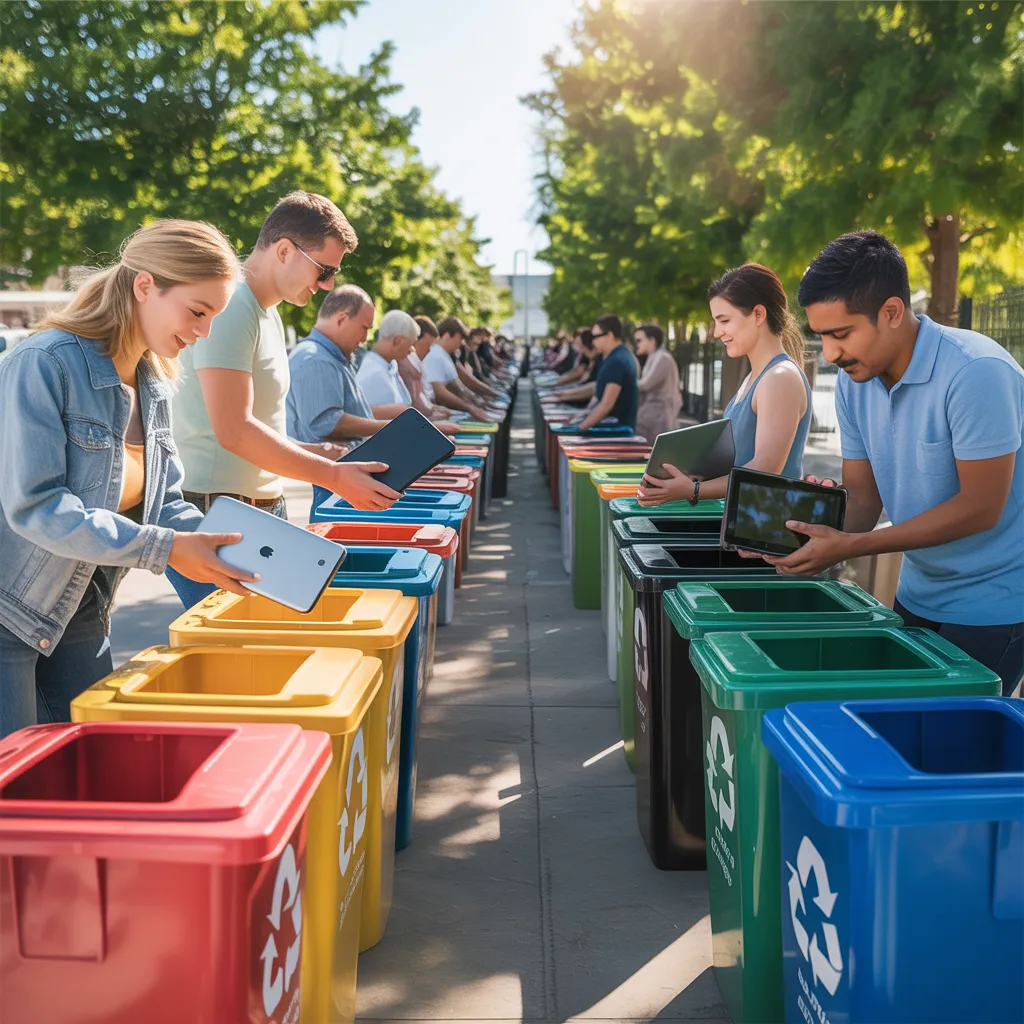
Participating in e-waste recycling may begin at the local level, where local recycling facilities frequently offer essential services for proper disposal. Furthermore, participating in community awareness campaigns can amplify efforts to raise awareness about the importance of ethical e-waste practices. Such efforts not only encourage sustainable practices but also build a collective sense of accountability for the environment.
Community Recycling Locations
Several neighborhood recycling stations fulfill a critical purpose in e-waste recycling, giving communities practical solutions to manage electronic waste appropriately. These facilities handle a range of electronic devices, including aging computers, cell phones, and television sets, guaranteeing that dangerous substances are processed safely. The majority of facilities employ qualified professionals who are able to assist individuals with correct disposal techniques, highlighting the value of recycling rather than landfilling. In addition, various hubs coordinate scheduled drop-off occasions or specific collection dates, allowing residents to take part with ease. By taking advantage of these neighborhood resources, community members advance a circular economy, lowering environmental harm and encouraging sustainable habits. Working alongside these hubs encourages communities to fight e-waste pollution decisively.
Community Education Campaigns
Local organizations, schools, and businesses can work together to organize events that support e-waste collection drives. Dedicated participants can take a leading part in raising awareness, sharing informational resources, and connecting with local residents. By means of these joint initiatives, residents become more informed and motivated to recycle their electronic waste, thereby helping to build a greener and more sustainable tomorrow.
Frequently Asked Questions
What Electronic Devices Are Eligible for Recycling?
A wide range of electronics are able to be recycled, including laptops, televisions, smartphones, printers, computers, and gaming consoles. Moreover, peripherals such as keyboards, mice, and batteries are equally appropriate for recycling, promoting efforts to conserve the environment.
Do Any Costs Come With E-Waste Recycling?
Yes, e-waste disposal can include fees, subject to the service provider. Some service centers impose charges for pickup or Get started handling, while some providers offer free services, often subsidized by the resale of recovered materials.
What Are the Benefits of E-Waste Recycling for Businesses?
Organizations can gain from e-waste recycling by minimizing disposal costs, improving their green reputation, complying with regulations, reclaiming useful materials, and possibly earning income through resale, thus supporting a greener and more sustainable operational framework.
What Happens to Data on Recycled Devices?
Data regarding recycled devices is commonly irretrievably wiped or eliminated during the refurbishment process. This ensures confidential data stays protected, blocking unwanted intrusion while allowing resources to be recycled carefully and ethically in new products.
Are Broken Electronics Eligible for Recycling?
Yes, non-functioning electronics are able to be recycled. Numerous collection points receive defective devices, guaranteeing safe disposal and recovery of precious materials. This effort helps minimize the environmental footprint while fostering eco-friendly recycling methods to address electronic waste responsibly.